SAVE 15% . USE CODE: HOLIDAY15


How to Store a Letterman Jacket Long-Term (Without Damaging It)

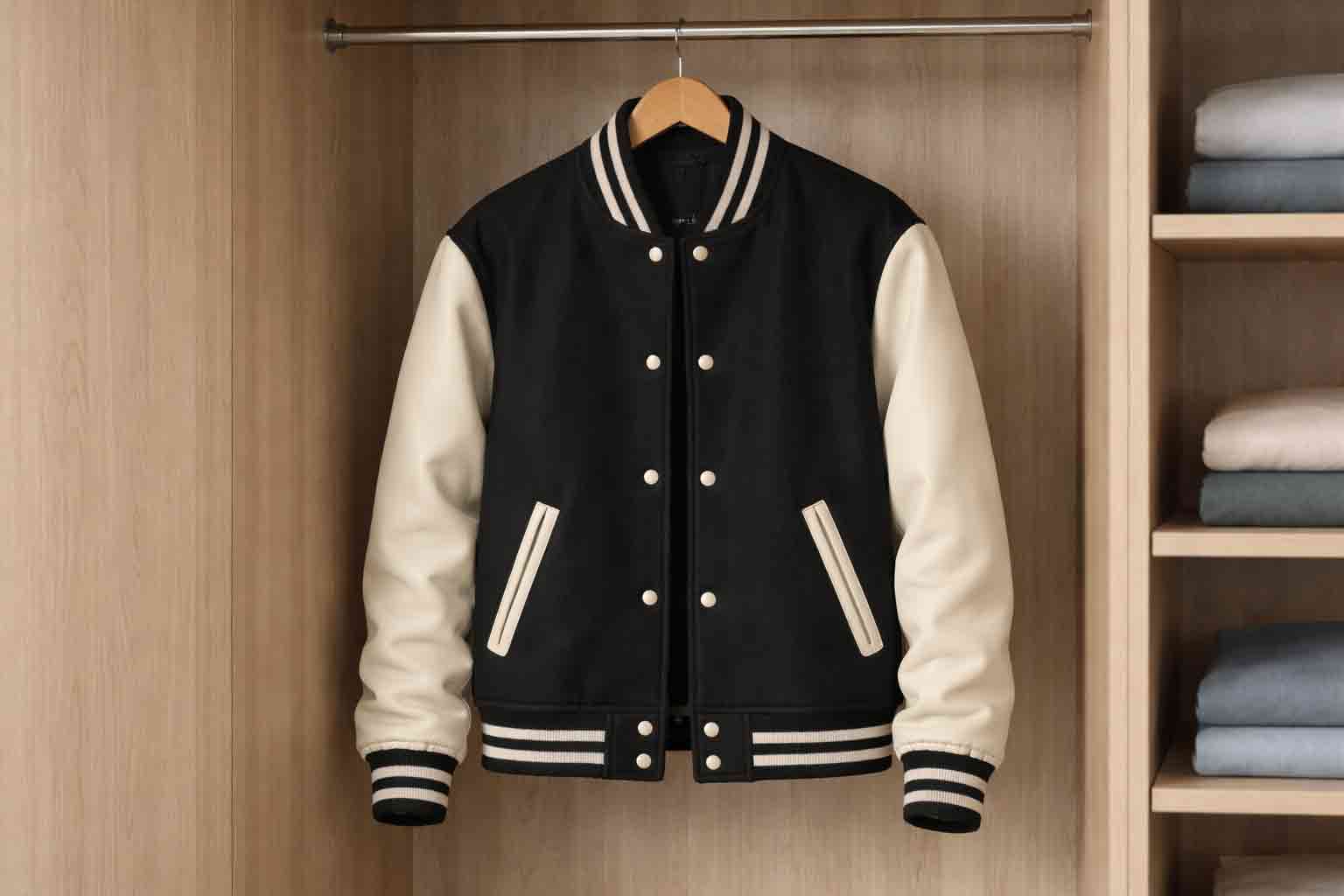
How to Store a Letterman Jacket: Quick Answer
To store a letterman jacket long-term without damaging it, clean the jacket thoroughly before storage, condition the leather sleeves with a quality leather conditioner, and allow the jacket to dry completely. Store it in a breathable cotton garment bag on a wide padded hanger in a dark location with stable temperature between 60 and 75 degrees Fahrenheit and humidity between 45 and 55 percent. Use cedar blocks to deter moths and avoid plastic bags or sealed containers that trap moisture. If folding, use acid-free tissue paper inside the sleeves and body, and place the jacket in an acid-free archival box. Check on the jacket annually, recondition the leather, and refold if needed to prevent permanent creasing.
If you own a letterman jacket, you already know it is more than just a piece of clothing. It is a symbol of achievement, a slice of personal history, and often one of the most sentimental items a person will ever own. Whether it represents your high school varsity years, a college championship, or a gift from someone special, protecting it for the long haul matters. The problem is that most people have no idea how to store a letterman jacket properly, and as a result, they end up with cracked leather sleeves, yellowed wool bodies, or chenille patches that have seen better days. This guide is going to walk you through everything you need to know about storing your letterman jacket long-term without causing any damage whatsoever.
What Makes a Letterman Jacket Vulnerable to Damage?
Before diving into storage methods, it helps to understand exactly why letterman jackets are tricky to store. Unlike a regular hoodie or denim jacket, letterman jackets are made from a combination of materials. The body is typically crafted from wool, while the sleeves are genuine or faux leather. Then you have chenille patches, embroidery, snap buttons, and sometimes felt lettering all layered on top.
Each of these materials responds differently to temperature, humidity, light, and pressure. Wool can shrink, felt, or become a feast for moths. Leather can crack and dry out if it loses moisture, or it can grow mold if it gets too damp. Chenille patches can flatten under pressure. Embroidery threads can weaken over time if exposed to harsh environments. So when you are storing a letterman jacket for months or years, you have to think about all of these components simultaneously.
How to Clean Your Letterman Jacket Before Storage
Never store a letterman jacket without cleaning it first. This is probably the single most important rule in long-term garment storage. Dirt, sweat, body oils, and food residue left on fabric become magnets for insects and mold during storage. Even if the jacket looks clean, there can be invisible residues that will cause real damage over time.
Spot Cleaning the Wool Body
The wool portion of your letterman jacket should not go in a washing machine. Machine washing can cause the wool fibers to shrink and mat irreversibly. Instead, use a damp cloth with a mild wool-safe detergent and gently dab any visible stains. Work from the outside of the stain inward to avoid spreading it. Once you have treated the stain, let the area air dry completely before moving on.
Cleaning the Leather Sleeves
The leather sleeves require a completely different approach. Use a leather cleaner that is appropriate for the type of leather on your jacket, whether genuine or synthetic. Apply it with a soft cloth using circular motions, then wipe away any residue. Follow this up immediately with a quality leather conditioner. Conditioning the leather before storage is critical because leather loses moisture over time when it is packed away, and without conditioning it beforehand, you are almost guaranteeing cracked sleeves by the time you open the storage container again.
Professional Dry Cleaning
If your jacket has significant staining or you are simply not confident cleaning it yourself, take it to a professional dry cleaner who has experience with specialty garments. Make sure to tell them about the mixed materials so they can handle the wool and leather portions correctly. Ask them not to use excessive heat during the process.
Choosing the Right Storage Container for a Letterman Jacket
Once your jacket is clean and fully dry, the next decision is where to store it. This choice matters far more than most people realize.
Why Plastic Bags and Boxes Are a Bad Idea
Many people reach for a plastic garment bag or a sealed plastic bin thinking they are doing the jacket a favor. In reality, plastic traps moisture inside, creating a humid microenvironment that is perfect for mold and mildew growth. Plastic also off-gasses chemicals over time that can yellow white or light-colored fabrics and degrade certain materials. If you absolutely must use a plastic container, at least leave it partially open and add a desiccant packet inside.
Use a Breathable Garment Bag
The best option for hanging storage is a breathable cotton or non-woven garment bag. These allow air to circulate around the jacket while still protecting it from dust, light, and insects. Avoid the thin plastic bags that come from the dry cleaner. If you must use one temporarily, cut a hole at the bottom to allow airflow.
Acid-Free Boxes for Folded Storage
If you plan to fold the jacket for storage rather than hang it, use an acid-free archival box. Regular cardboard boxes are acidic and will transfer that acidity to your jacket over time, causing fabric yellowing and material degradation. Acid-free boxes are widely available online and at craft or archival supply stores. Line the box with acid-free tissue paper as well, and use extra tissue paper between folds to prevent crease marks from setting permanently.
How to Hang a Letterman Jacket for Long-Term Storage
Hanging is generally the preferred method for long-term letterman jacket storage because it prevents creasing and keeps the jacket in its natural shape. However, hanging incorrectly can cause its own problems.
Use a Wide, Padded Hanger
A thin wire hanger will distort the shoulder shape of the jacket over time. Always use a wide, padded hanger that supports the full width of the shoulders. The weight of the leather sleeves in particular can pull the jacket out of shape if the hanger is not properly supportive.
Avoid Hanging in Direct Sunlight
Find a storage location away from any windows or light sources. Ultraviolet light fades colors aggressively, and even indirect light exposure over months can noticeably dull the vibrancy of the jacket’s colors and patches. A dark closet is ideal.
Controlling Temperature and Humidity During Storage
Temperature and humidity are two of the biggest enemies of long-term garment storage, and they are often overlooked entirely.
Ideal Temperature Range
The ideal storage temperature for a letterman jacket is between 60 and 75 degrees Fahrenheit. Avoid storing your jacket in places that experience extreme temperature swings, such as attics and garages. These spaces can reach very high temperatures in summer and drop below freezing in winter, which is brutal for both wool and leather.
Keeping Humidity in Check
Aim for a relative humidity level between 45 and 55 percent. Humidity above 65 percent creates conditions where mold and mildew can thrive. Humidity below 30 percent can dry out the leather and cause cracking. If you are storing the jacket in a basement or other potentially damp area, use a dehumidifier or place desiccant packets near the storage location. If you live in a very dry climate, a small humidifier in the room can help maintain appropriate moisture levels.
Protecting Against Moths and Insects
Wool is one of the favorite targets of clothes moths, and a letterman jacket with a wool body is absolutely at risk during long-term storage. The larvae of clothes moths, not the moths themselves, are what actually eat fabric fibers.
Cedar Blocks and Lavender Sachets
Cedar is a natural moth deterrent and is a far safer alternative to mothballs, which contain naphthalene or paradichlorobenzene, both of which are toxic chemicals that can also damage certain synthetic fibers and leave a strong odor that is very difficult to remove. Place cedar blocks or cedar hangers in the closet or storage area and refresh them with cedar oil every six months or so as the scent fades. Lavender sachets work in a similar way and add a pleasant smell rather than a chemical one.
Avoid Mothballs Near Your Jacket
This deserves its own mention because so many people still reach for mothballs instinctively. The chemicals in mothballs can actually harm the materials in your letterman jacket and are not necessary when you have cleaner alternatives available. Keep them away from your jacket entirely.
How to Fold a Letterman Jacket Without Damaging It
If hanging is not an option, folding correctly will minimize the damage to the jacket during storage.
Stuff the Sleeves and Body
Before folding, stuff the sleeves with acid-free tissue paper to help them hold their shape and prevent deep creasing. You can also stuff the body cavity lightly. Then fold the jacket as loosely as possible to avoid sharp, permanent crease lines in the leather or wool.
Refold Periodically
If you know the jacket will be stored for a very long time, plan to take it out and refold it every six to twelve months. This redistributes the stress on the fibers and prevents permanent crease marks from forming at the same spots.
Conditioning Leather Sleeves During Long-Term Storage
Even after conditioning the leather before storage, you should plan to pull the jacket out at least once a year and condition the leather sleeves again. Leather is essentially preserved skin, and like skin, it needs moisture to remain supple and crack-free. During long periods of storage, it will continue to lose moisture gradually. A good leather conditioner applied annually will keep the sleeves looking and feeling great for decades.
Avoiding Common Mistakes When Storing a Letterman Jacket
Storing a damp jacket is probably the fastest way to ruin it. Always make sure the jacket is completely dry before it goes into storage. Even a slightly damp lining can cause mold to develop within days in the right conditions.
Overpacking the storage space is another common error. When garments are crammed together, they do not breathe properly, and the physical pressure can flatten chenille patches and distort the jacket’s shape. Give your letterman jacket enough space to hang or rest without being compressed by surrounding items.
Forgetting about it entirely is surprisingly easy to do. Set a reminder on your phone or calendar to check on your jacket at least once a year. This gives you a chance to recondition the leather, check for any signs of pest activity or moisture damage, and refold it if necessary.
Conclusion
Storing a letterman jacket long-term is not complicated once you understand the materials you are working with and the environmental factors that threaten them. Wool needs to breathe and stay free of pests. Leather needs moisture and stable temperatures to avoid cracking. Chenille patches and embroidery need to be protected from compression and light. When you put all of these needs together, the solution becomes clear: clean the jacket, condition the leather, choose breathable storage materials, control your storage environment, and check in on it regularly. Do those things consistently, and your letterman jacket will come out of storage looking just as sharp as the day you put it away, ready to be passed down, worn again, or simply admired for the memories it carries.
Frequently Asked Questions
Q1: Can I store a letterman jacket in a plastic bag?
No, plastic bags trap moisture inside and create the perfect environment for mold and mildew to grow. They also off-gas chemicals over time that can yellow fabrics and degrade materials. Always use a breathable cotton garment bag to allow proper airflow around the jacket.
Q2: Should I clean my letterman jacket before storing it?
Yes, cleaning before storage is absolutely essential and should never be skipped. Dirt, sweat, and body oils left on the fabric attract insects and encourage mold growth during long storage periods. Spot clean the wool body gently and use a leather cleaner on the sleeves before putting it away.
Q3: How do I protect the leather sleeves during storage?
Apply a quality leather conditioner to the sleeves thoroughly before placing the jacket into storage. Leather loses moisture gradually over time even when stored, which leads to drying and cracking. Plan to take the jacket out once a year and condition the sleeves again to keep them supple and damage-free.
Q4: What keeps moths away from a letterman jacket in storage?
Cedar blocks and lavender sachets are the safest and most effective natural moth deterrents available. Place them inside the closet or storage area and refresh cedar blocks with cedar oil every six months as the scent fades. Avoid mothballs entirely as their toxic chemicals can damage jacket materials and leave a very difficult odor to remove.
Q5: What is the best temperature to store a letterman jacket?
The ideal storage temperature for a letterman jacket is between 60 and 75 degrees Fahrenheit with relative humidity kept between 45 and 55 percent. Avoid attics and garages where temperatures swing dramatically between seasons, as extreme heat and cold damage both wool and leather. A dark, climate-controlled closet or interior room is always the best storage location.