SAVE 15% . USE CODE: HOLIDAY15


How Long Does a Letterman Jacket Last? (And How to Make It Last Longer)

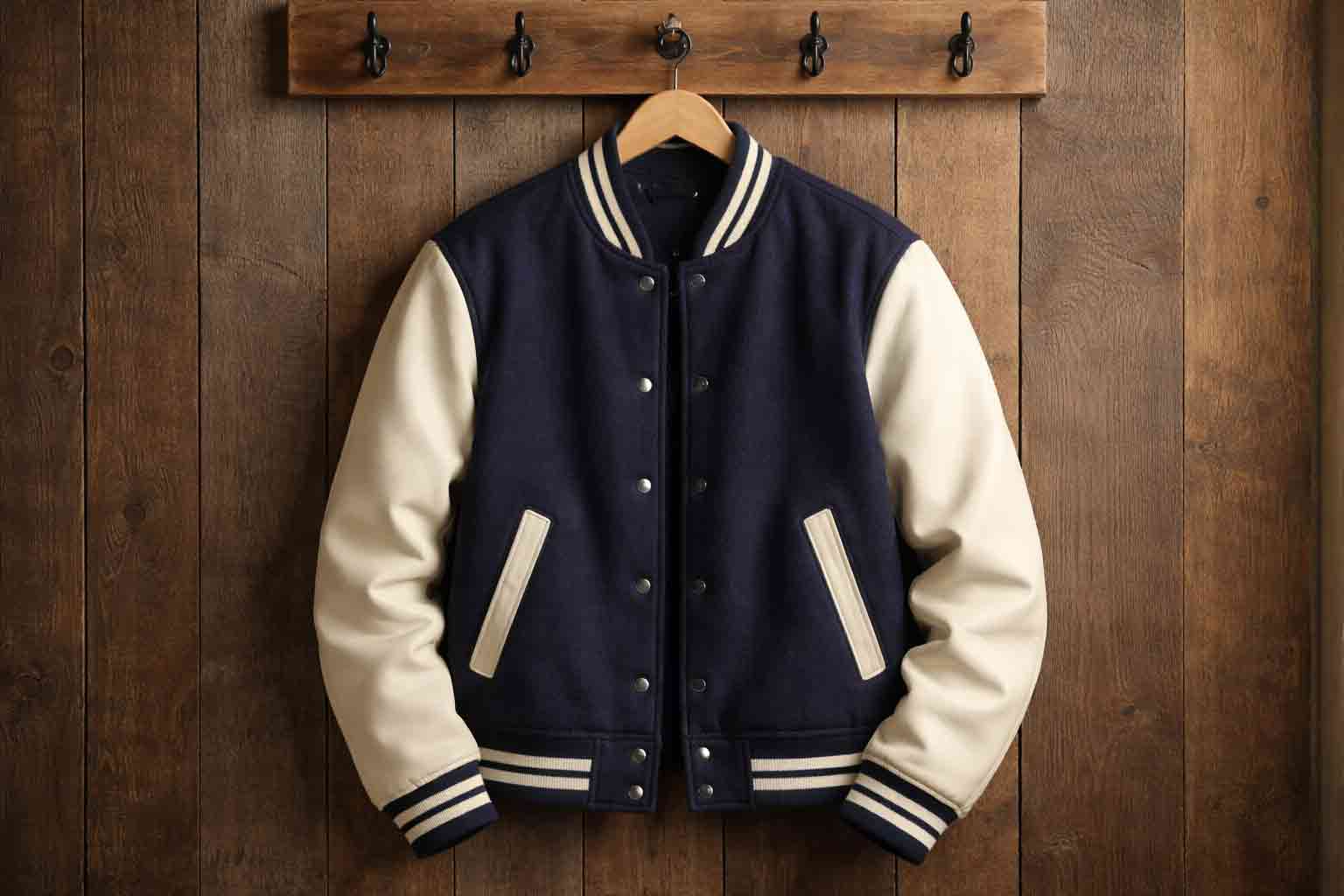
If you have ever owned a letterman jacket or are thinking about getting one, the first question that pops into your mind is probably this: how long does a letterman jacket actually last? It is a fair question, especially considering that these jackets are not exactly cheap. A good letterman jacket is an investment, and like any investment, you want to know what kind of return you are going to get on it. The short answer is that a well-made letterman jacket can last anywhere from 10 to 30 years or even longer, depending on how it is made and how well you take care of it. But let us dig into the details, because there is a lot more to it than just a number.
What Is a Letterman Jacket Made Of?
Before we talk about lifespan, it helps to understand what goes into making a letterman jacket. Most traditional letterman jackets are made with a wool body and leather sleeves. The wool used for the body is typically a heavy melton wool, which is known for its durability and resistance to wear. The sleeves are usually made from genuine cowhide leather or sometimes synthetic leather, depending on the price point.
The combination of these two materials is not random. Wool is warm, breathable, and holds its shape extremely well over time. Leather is tough, resistant to abrasion, and gets better with age when properly maintained. Together, they make a jacket that is built to last decades if treated correctly.
Some budget versions use polyester or acrylic blends instead of wool, and faux leather or vinyl instead of genuine leather. These materials are not as durable, and you will likely see them degrade significantly faster. So the material quality is the very first factor that determines how long your letterman jacket will last.
How Long Does a Letterman Jacket Last on Average?
A high-quality letterman jacket made with genuine wool and real leather can realistically last 20 to 30 years with proper care. Many people who purchase quality jackets in high school end up wearing them well into adulthood, and some even pass them down as heirlooms to younger siblings or their own children.
Lifespan Based on Material Quality
If your jacket is made from genuine wool and leather, you are looking at a minimum lifespan of 15 to 20 years with regular use, and potentially much longer with occasional wear and proper storage. If your jacket uses synthetic materials, expect around 5 to 10 years before visible degradation starts to show, such as peeling on the faux leather sleeves or pilling on the acrylic body.
Lifespan Based on Frequency of Use
How often you wear your jacket also plays a major role. Someone who wears their letterman jacket every single day through harsh winters will naturally see more wear and tear than someone who wears it occasionally for special events. Even a top-tier jacket worn daily without proper care may only last 10 to 15 years, while the same jacket worn occasionally and stored correctly could last 30 or more.
What Factors Affect How Long a Letterman Jacket Lasts?
Several key factors determine whether your jacket ages gracefully or falls apart prematurely.
Quality of Construction
The stitching, lining, and overall build quality matter just as much as the materials. A jacket with reinforced stitching at stress points like the shoulders, cuffs, and pockets will outlast one with weak seams. Always look for jackets from reputable manufacturers who have a track record of building quality varsity and letterman jackets.
Exposure to the Elements
Rain, snow, and extreme heat are the enemies of any letterman jacket. Wool can absorb moisture and become misshapen if repeatedly soaked and dried without proper care. Leather sleeves can crack and peel if exposed to excessive moisture or sunlight over time. Avoiding prolonged exposure to harsh weather conditions will significantly extend the life of your jacket.
How You Store It
Storage is something most people do not think about until damage has already been done. Storing your jacket in a damp basement or a hot attic can accelerate deterioration of both the wool body and the leather sleeves. The ideal storage environment is cool, dry, and away from direct sunlight.
Whether You Clean It Properly
Improper cleaning is one of the fastest ways to ruin a letterman jacket. Throwing it in the washing machine on a hot cycle can shrink the wool, damage the leather, and cause the lining to separate. Always follow the care instructions specific to your jacket.
How to Make Your Letterman Jacket Last Longer
Now that you know what affects the lifespan of your letterman jacket, let us talk about what you can actually do to extend it.
Condition the Leather Sleeves Regularly
Leather needs moisture to stay supple and prevent cracking. Use a high-quality leather conditioner every few months, or at least twice a year, to keep the sleeves soft and flexible. This simple step alone can add years to the life of your jacket. Apply the conditioner with a soft cloth in circular motions and allow it to fully absorb before wearing the jacket again.
Spot Clean Instead of Full Washing
For minor stains on the wool body, spot cleaning is always the better option. Use a damp cloth with a small amount of mild soap to gently dab at the stain rather than rubbing it aggressively. For the leather sleeves, use a leather-safe cleaner rather than general household cleaners, which can strip the natural oils from the leather.
Dry Clean When Necessary
When a full clean is absolutely necessary, take your letterman jacket to a professional dry cleaner who has experience with wool and leather garments. Make sure to inform them of both materials so they can treat each part appropriately. Never machine wash or tumble dry a letterman jacket with genuine wool and leather.
Hang It Properly
Always hang your letterman jacket on a wide, padded hanger rather than a thin wire hanger. Wire hangers can distort the shape of the shoulders over time, and a misshapen jacket is both less attractive and less comfortable to wear. Padded hangers support the structure of the jacket and help it maintain its original form.
Store It in a Breathable Garment Bag
When storing your jacket for longer periods, use a breathable fabric garment bag rather than a plastic dry-cleaning bag. Plastic bags trap moisture and can cause mildew to develop on the wool. A cotton or canvas garment bag allows air to circulate while protecting the jacket from dust and pests.
Keep It Away from Direct Sunlight
Extended exposure to direct sunlight can fade the color of both the wool and the leather over time. When hanging your jacket in a closet or storing it, make sure it is not in a spot that receives direct sun. UV rays break down the fibers in wool and dry out the natural oils in leather, both of which contribute to faster aging.
Address Repairs Early
Small problems become big problems when ignored. If you notice a loose button, a fraying seam, or a small crack developing in the leather, address it immediately. A small repair done early costs much less and causes far less damage than waiting until the issue becomes severe. Many cobblers and leather specialists can handle minor repairs to leather sleeves, while a skilled tailor can fix stitching and lining issues on the wool body.
Can a Letterman Jacket Be Restored?
Absolutely. One of the beautiful things about a high-quality letterman jacket is that it can be professionally restored even after years of neglect. Leather sleeves can be reconditioned, re-dyed, or even replaced if they have cracked beyond repair. The wool body can be re-blocked and cleaned to restore much of its original appearance. Ribbed cuffs, collars, and waistbands can also be replaced by a skilled outerwear specialist.
When to Consider Professional Restoration
If your jacket has significant cracking on the leather sleeves, heavy soiling that dry cleaning cannot remove, structural damage to the lining or seams, or faded colors throughout, it may be time to consider professional restoration. Many vintage letterman jacket enthusiasts have beautifully restored jackets that are 40 or 50 years old, which is a testament to just how durable these garments can be when properly cared for.
Are Cheaper Letterman Jackets Worth Buying?
This is a question many buyers face when deciding how much to spend. The honest answer is that cheaper jackets have a much shorter lifespan and often cost more in the long run because they need to be replaced sooner. A jacket that costs $150 with faux leather and acrylic fabric might last 5 years with decent care, while a $400 genuine wool and leather jacket could easily last 25 years.
If budget is a concern, it is better to invest in a mid-range jacket with real materials than to buy the cheapest option available. The durability difference is substantial, and a quality letterman jacket also holds sentimental value in a way that a cheap imitation simply does not.
Signs Your Letterman Jacket Needs Replacing
Even the best jackets eventually reach the end of their useful life. Here are some signs that your jacket may be beyond saving.
Irreparable Leather Damage
If the leather sleeves have cracked so deeply that conditioning and restoration cannot bring them back, and if the damage is widespread rather than isolated, replacement may be necessary. At that point, the structural integrity of the leather is compromised.
Severe Wool Degradation
Heavy pilling, significant thinning of the fabric, or large areas of moth damage to the wool body can make restoration impractical or cost-prohibitive. If the cost of restoration exceeds the cost of a new jacket, it is time to move on.
Structural Failure
When the lining has completely deteriorated, the seams have separated in multiple places, or the ribbing has lost all of its elasticity and cannot hold its shape, the jacket has likely reached the end of its wearable life.
How to Buy a Letterman Jacket That Will Last
If you are in the market for a new letterman jacket, here is what to look for to make sure you are buying something that will stand the test of time.
Look for Genuine Wool and Leather
This is non-negotiable if longevity is your priority. Genuine melton wool for the body and cowhide leather for the sleeves are the gold standard. Check the materials listed on the label and do not be afraid to ask the retailer directly.
Check the Stitching
Examine the stitching around the collar, cuffs, pockets, and where the sleeves meet the body. Tight, even stitching with no loose threads is a sign of quality construction. If the stitching looks uneven or feels thin, that jacket will not hold up well over time.
Buy from a Reputable Brand
Stick to brands with a long history of making letterman and varsity jackets. Companies that specialize in this type of outerwear tend to use better materials and construction techniques than fast-fashion brands that produce them as an afterthought.
Conclusion
A letterman jacket is so much more than just a piece of clothing. It carries memories, achievements, and identity in a way that few other garments can. When made with quality materials and given proper care, a letterman jacket can genuinely last a lifetime. The key takeaways are simple: invest in genuine wool and leather, care for the leather with regular conditioning, avoid machine washing, store it properly, and address any damage early. Do these things consistently, and there is absolutely no reason your letterman jacket cannot be something you wear for decades and eventually pass down to the next generation. The 20 to 30 year lifespan is not just possible, it is achievable for anyone willing to treat their jacket with the respect it deserves.
Frequently Asked Questions
1. How long does a letterman jacket typically last?
A high-quality letterman jacket made with genuine wool and real leather can last anywhere from 20 to 30 years with proper care. Jackets made from synthetic materials like faux leather and acrylic tend to last around 5 to 10 years before showing significant wear.
2. Can you wash a letterman jacket in the washing machine?
No, you should never machine wash a letterman jacket with genuine wool and leather. Machine washing can shrink the wool body, damage the leather sleeves, and cause the lining to separate. Always spot clean minor stains and take the jacket to a professional dry cleaner when a full clean is needed.
3. How do you keep the leather sleeves from cracking?
The best way to prevent cracking is to apply a high-quality leather conditioner to the sleeves every few months. Conditioning keeps the leather soft, supple, and resistant to cracking. You should also keep the jacket away from excessive moisture and direct sunlight, both of which dry out leather over time.
4. Can a damaged letterman jacket be repaired or restored?
Yes, most letterman jackets can be professionally restored even after years of neglect. Leather sleeves can be reconditioned, re-dyed, or replaced, while the wool body can be cleaned and re-blocked. Ribbed cuffs and collars can also be replaced by an outerwear specialist.
5. Is it worth spending more on a higher quality letterman jacket?
Absolutely. A more expensive jacket made from genuine materials will outlast a cheap alternative by 15 to 20 years or more, making it far better value in the long run. Quality letterman jackets also hold sentimental value and can even be passed down as family heirlooms.