SAVE 15% . USE CODE: HOLIDAY15


What Is the Cushioning Inside of Jackets?

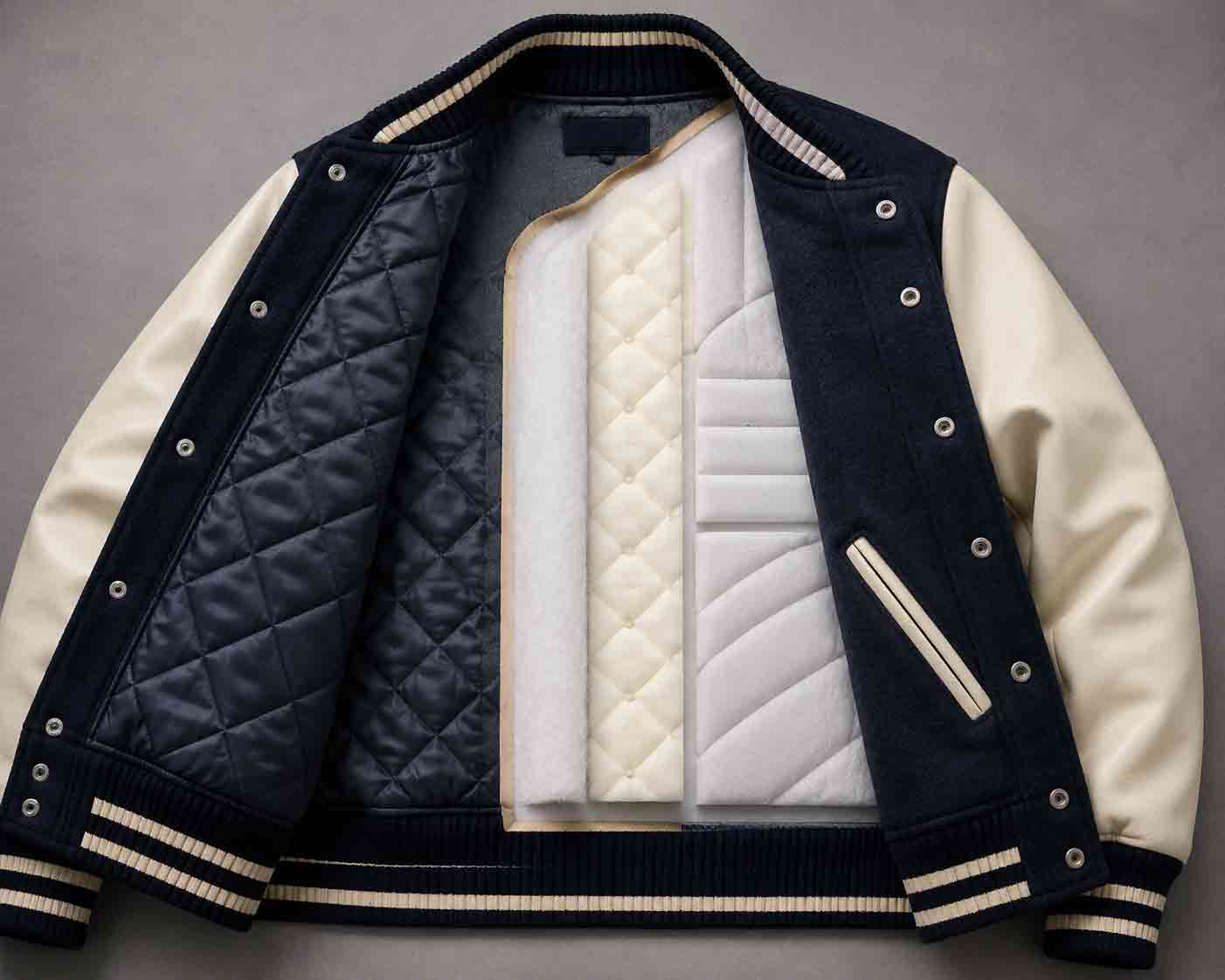
If you have ever unzipped a puffy jacket and wondered what makes it so incredibly warm and light at the same time, you are not alone. The cushioning inside jackets is one of the most important factors that determines how warm, comfortable, and durable your outerwear will be. Whether you are shopping for a winter coat, a hiking jacket, or a casual puffer, understanding what goes inside these garments can completely change the way you buy and care for them.
What Is the Cushioning Inside Jackets Called?
The cushioning inside jackets is most commonly referred to as insulation or fill. It is the layer of material sandwiched between the outer shell and the inner lining of a jacket. Its primary job is to trap warm air close to your body and create a barrier against the cold. The type of insulation used has a dramatic impact on the jacket’s warmth, weight, packability, and performance in wet conditions.
There are two broad categories of jacket insulation: natural insulation and synthetic insulation. Each has its own set of advantages, and knowing the difference helps you choose the right jacket for your lifestyle and climate.
Down Insulation: The Classic Natural Fill
Down insulation is the most traditional and well-known type of cushioning inside jackets. It comes from the soft underfeathers of ducks and geese, found beneath the tougher outer feathers. These fluffy clusters are incredibly effective at trapping air, which is what makes them such a powerful insulator.
What Is Fill Power in Down Jackets?
When shopping for down jackets, you will often see a number called fill power, typically ranging from 400 to 900 or higher. Fill power measures how much space one ounce of down can occupy. A higher fill power means the down is fluffier, lighter, and more efficient at trapping heat. A jacket with 800 fill power down is going to be significantly warmer and lighter than one with 400 fill power, even if both use the same amount of down by weight.
Goose down is generally considered superior to duck down because of its larger cluster size and higher loft, though high-quality duck down can perform just as well in many conditions. Premium outdoor brands often use Responsible Down Standard (RDS) certified down, which ensures ethical sourcing from birds that have not been live-plucked or force-fed.
Pros and Cons of Down Cushioning
Down is beloved for its unbeatable warmth-to-weight ratio. A down jacket can be incredibly warm while remaining feather-light and compressible enough to stuff into a small bag. However, down has one significant weakness: it loses its insulating ability when wet. When down gets soaked, the clusters clump together and can no longer trap air effectively. This is why many brands now offer hydrophobic down treatments that give the feathers a water-resistant coating, helping them maintain loft even in damp conditions.
Synthetic Insulation: The Modern Alternative
Synthetic insulation is made from polyester fibers designed to mimic the loft and warmth of natural down. Brands like PrimaLoft, Thinsulate, and Polartec have developed advanced synthetic fills that perform remarkably well even in wet and cold conditions.
How Synthetic Fill Works
Synthetic fibers are engineered to curl and interlock in a way that creates millions of tiny air pockets. These air pockets are what trap warmth and keep the cold out, similar to how natural down clusters work. The key advantage is that synthetic insulation retains warmth even when wet, making it a popular choice for wet climates, water sports, and high-intensity outdoor activities where sweating is likely.
Types of Synthetic Insulation
There are several well-known types of synthetic insulation used in jackets today. PrimaLoft is one of the most respected names in the industry, offering a range of products from ultra-lightweight performance fill to recycled eco-friendly versions. 3M Thinsulate is another popular option, known for its thin profile and use in gloves, boots, and slim-profile jackets. Polartec Alpha is widely used in active outdoor gear because it offers breathability alongside warmth, making it ideal for high-output activities like skiing or trail running.
Synthetic insulation is also generally more affordable than down and easier to care for. You can typically machine wash a synthetic-insulated jacket without worrying about damaging the fill, whereas down jackets require more careful washing and drying techniques.
Wool and Fleece: Traditional Cushioning Options
Before synthetic technology took over, wool was one of the primary insulators used in jackets and coats. Wool fibers have a natural crimp that creates tiny air pockets, giving it excellent insulating properties. Merino wool in particular is prized for being soft against the skin, naturally odor-resistant, and effective at regulating body temperature in both cold and mild conditions.
Fleece is another popular option, particularly in mid-layer jackets. Made from polyester, fleece is soft, lightweight, and dries quickly. While it does not compress as well as down and is not as warm as high-quality synthetic fill, fleece is affordable, versatile, and works well as a mid-layer or casual everyday jacket.
Quilted Jackets and How the Fill Is Held in Place
Have you ever noticed the stitched channels or boxes on the surface of a puffer jacket? These are called baffles, and they are designed to keep the insulation evenly distributed throughout the jacket. Without baffles, the fill would shift around and bunch up, leaving cold spots in certain areas.
What Are Baffles in a Jacket?
Baffles are the compartments created by stitching or welding the outer shell and inner lining together at regular intervals. In sewn-through baffles, the stitching goes all the way through both layers, which is lighter and less expensive to produce but can create small cold spots at the seam lines. In box baffles, small fabric walls separate the inner and outer layers, allowing more room for the fill to loft freely and eliminating cold spots. Box baffles are commonly found in higher-end, expedition-grade jackets.
What Is the Cushioning Inside Puffer Jackets?
Puffer jackets are specifically designed with a high volume of insulation to maximize warmth and achieve that characteristic quilted, pillowy appearance. The cushioning inside puffer jackets is most often down or a high-loft synthetic fill. The puffiness itself is actually a sign of quality, because the more the fill lofts, the more air it traps, and the warmer the jacket will be.
Modern puffer jackets have come a long way in design and technology. Many now feature recycled synthetic fills made from plastic bottles, making them a more sustainable option without sacrificing performance. Brands like Patagonia, The North Face, and Arc’teryx have been at the forefront of developing eco-friendly insulation options.
How to Choose the Right Jacket Insulation for Your Needs
Choosing the right cushioning depends heavily on how and where you plan to use your jacket. If you are looking for the warmest and lightest jacket possible for dry, cold-weather camping or travel, a high fill power down jacket is hard to beat. If you spend a lot of time in wet or humid environments, or you tend to sweat heavily during outdoor activities, a synthetic or hydrophobic down jacket would serve you better.
For urban and casual use, a mid-loft synthetic puffer or a fleece-lined jacket offers a great balance of warmth, style, and easy care. If sustainability is a priority, look for jackets that use recycled fill materials or carry certifications like the Responsible Down Standard or bluesign certification for responsibly sourced synthetic materials.
How to Care for Jacket Insulation
Proper care is essential to maintain the performance of whatever cushioning your jacket uses. Down jackets should be washed with a special down-safe detergent and tumble dried on low heat with dryer balls to break up any clumping and restore loft. Never let a wet down jacket air dry without tumbling it, as the clusters will mat together and lose their insulating power.
Synthetic jackets are easier to care for and can generally be machine washed and air dried or tumble dried on low. Avoid using fabric softeners, as these can coat the fibers and reduce their ability to trap air effectively.
Storing your insulated jacket properly is just as important. Avoid compressing it for long periods when not in use. Down jackets especially should be stored in a large, breathable bag rather than stuffed into their stuff sacks for months on end.
The Future of Jacket Insulation
Innovation in jacket insulation is moving fast. Researchers and outdoor brands are constantly developing new materials that are warmer, lighter, more sustainable, and better performing in a wider range of conditions. Aerogel-based insulation, once used only in space applications, is now being incorporated into outdoor gear. Biomimicry-inspired synthetic fills are being engineered to outperform natural down in all conditions while using fully recycled or bio-based materials.
The push for sustainability is also reshaping the insulation industry. More brands are committing to using recycled polyester fills, responsibly sourced down, and transparent supply chains. This is good news for consumers who want to make ethical purchasing decisions without compromising on warmth or performance.
Conclusion
The cushioning inside jackets is far more than just stuffing. It is a carefully engineered system of natural or synthetic materials designed to keep you warm, dry, and comfortable in a variety of conditions. Whether it is the luxurious loft of goose down, the weather-resistant durability of PrimaLoft synthetic fill, or the cozy softness of merino wool, each type of insulation has its own strengths and ideal use cases. Understanding what goes inside your jacket empowers you to make smarter buying decisions and take better care of your gear for years to come. Next time you slip on your favorite puffer and feel that enveloping warmth, you will know exactly what is working hard to keep the cold out.
Frequently Asked Questions
1. What is the most common cushioning used inside jackets?
The most common types of cushioning found inside jackets are down insulation and synthetic fill. Down comes from duck or goose feathers and offers an excellent warmth-to-weight ratio, while synthetic insulation is made from polyester fibers and performs better in wet conditions.
2. Is down or synthetic insulation warmer?
High fill power down is generally warmer than synthetic insulation at the same weight. However, synthetic insulation retains its warmth even when wet, making it a more reliable option in rainy or high-humidity environments where down can lose its loft.
3. Can I wash a jacket with cushioning inside without damaging it?
Yes, but the method depends on the fill type. Synthetic insulated jackets can usually be machine washed safely. Down jackets require a gentle cycle with a down-specific detergent and must be tumble dried with dryer balls to restore loft and prevent clumping.
4. Why does jacket cushioning go flat over time?
Jacket insulation loses its loft over time due to repeated compression, moisture exposure, and general wear. Down clusters break down gradually, while synthetic fibers can lose their crimp. Regular washing and proper storage in a large, uncompressed bag can help extend the life of the fill.
5. What does fill power mean in a down jacket?
Fill power measures how much space one ounce of down occupies. A higher fill power number, such as 800 or 900, means the down is fluffier and more efficient at trapping warm air, resulting in a lighter and warmer jacket compared to lower fill power options.