SAVE 15% . USE CODE: HOLIDAY15


What to Do if Your Letterman Jacket Sleeves Are Peeling?

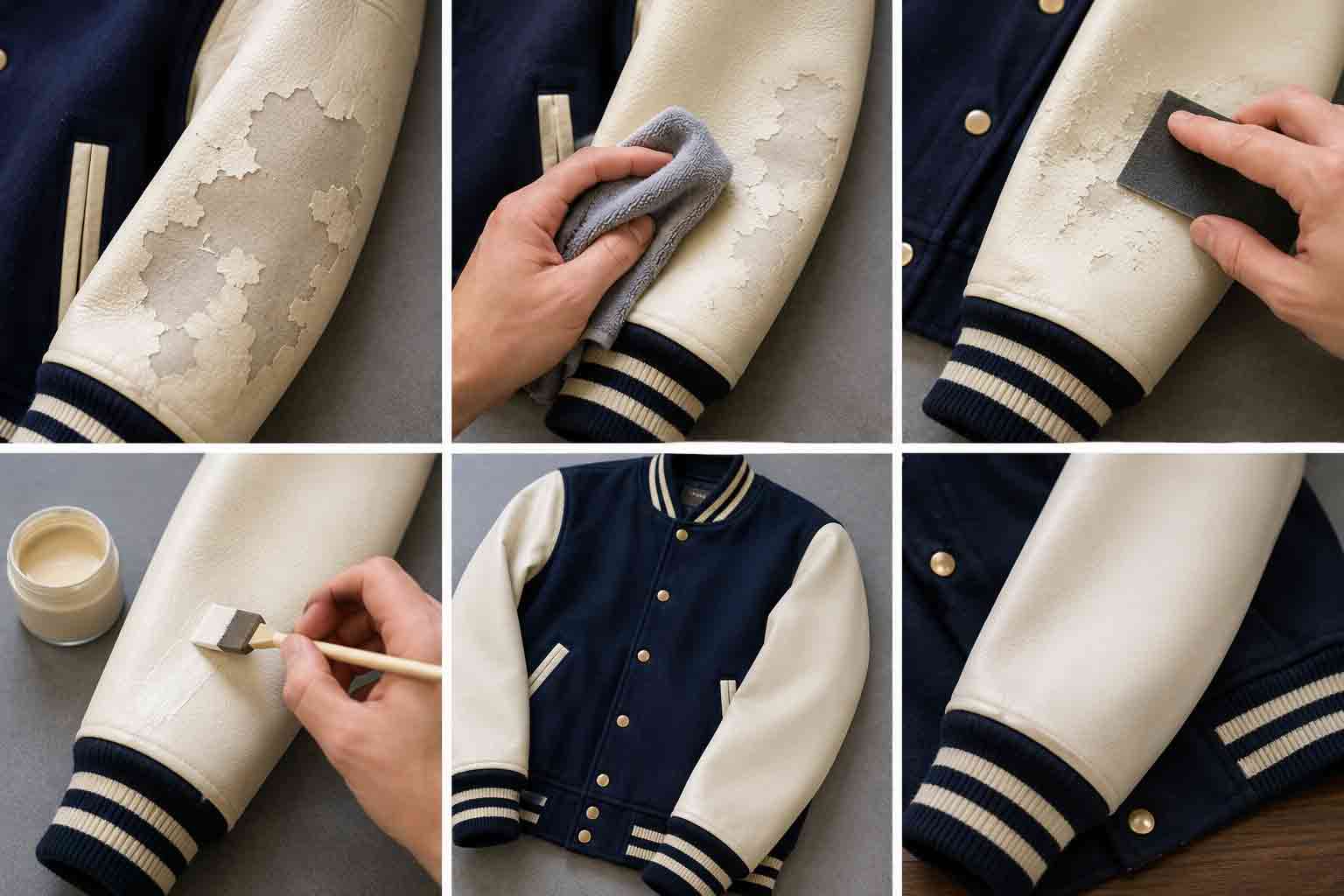
Letterman jackets are more than just outerwear. They carry memories, achievements, and a sense of pride that few other garments can match. So when you notice the sleeves starting to peel, it can feel genuinely upsetting. The good news is that peeling sleeves on a letterman jacket are one of the most common issues owners face, and in most cases, it is entirely fixable. Whether you are dealing with minor flaking or large sections lifting away, this guide walks you through everything you need to know to restore your jacket and prevent future damage.
Why Do Letterman Jacket Sleeves Peel in the First Place?
Before jumping into solutions, it helps to understand what is actually happening to your jacket. The sleeves of most letterman jackets are made from genuine leather, faux leather, or a vinyl-coated material. Over time, these materials break down for several reasons.
The Role of Material Quality
Lower quality faux leather and bonded leather are particularly prone to peeling because they are constructed from a thin polyurethane coating layered over a fabric base. When that coating begins to separate, you get the classic flaking and peeling look. Even higher quality genuine leather can peel or crack if it dries out and loses its natural oils.
Environmental Factors That Accelerate Peeling
Heat, humidity, and sunlight are three of the biggest enemies of leather and synthetic sleeve materials. Storing your jacket in a hot car, leaving it in direct sunlight, or keeping it in a room with very low humidity can all speed up the degradation process significantly. Sweat and body oils from regular wear also contribute to the breakdown of the outer coating.
Age and Frequency of Use
Even a well made jacket will eventually show signs of wear. If you have been wearing your letterman jacket for several years, some level of peeling is almost inevitable, particularly around areas that experience the most friction, such as the cuffs, inner arms, and elbows.
How to Assess the Damage Before You Begin
Not all peeling is the same, and knowing the extent of the damage will help you choose the right repair approach. Run your hand along the entire surface of each sleeve. Look for areas where the material is lifting, cracking, or flaking. Check the seams and the cuffs as well, since damage often starts at the edges before spreading inward.
Minor Peeling vs. Major Peeling
If only small patches are affected and the underlying fabric is not exposed, you are dealing with minor peeling. This can often be addressed with a simple repair kit and a bit of patience. If large sections of the outer coating have come away entirely or the fabric beneath is torn, the damage is more significant and may require professional help or a full sleeve replacement.
What You Will Need to Fix Peeling Letterman Jacket Sleeves
Gathering the right supplies before you start makes the entire process smoother. For most repair jobs, you will need a leather or vinyl repair kit, fabric glue or a leather adhesive, fine grit sandpaper, a soft cloth, leather conditioner or vinyl polish, and optionally a leather paint or dye that matches your jacket color.
Choosing the Right Repair Kit
Repair kits designed specifically for leather and vinyl are widely available online and in hardware stores. Look for a kit that includes both a filler compound and a colorant so you can match the original appearance of your sleeves as closely as possible. Some kits come with a heat tool for sealing the repair, which produces a more durable result.
Step by Step Guide to Fixing Peeling Letterman Jacket Sleeves
Step 1: Clean the Affected Area Thoroughly
Start by wiping down the peeling area with a damp cloth to remove any dirt, oil, or loose flakes. Allow it to dry completely before moving on. Skipping this step is one of the most common mistakes people make, and it leads to poor adhesion later on.
Step 2: Remove Loose and Flaking Material
Using your fingers or a soft brush, gently remove any pieces of the coating that are already loose. Do not pull hard on sections that are still attached. You only want to clear away material that has already separated. If you try to glue down large flaps of peeling material without first removing the compromised pieces around them, the repair will not hold for long.
Step 3: Lightly Sand the Edges
Take your fine grit sandpaper and very lightly sand the edges of the peeling area. This helps create a smoother transition between the intact coating and the damaged zone, and it also gives the adhesive something to grip onto. Wipe away the dust with a dry cloth when you are done.
Step 4: Apply Leather or Vinyl Adhesive
Apply a thin, even layer of your leather adhesive or fabric glue to the underside of any remaining flaps and press them down firmly. Hold each section in place for at least 30 seconds and then allow the adhesive to cure fully according to the product instructions. For areas where the coating is completely missing, move on to the filler step.
Step 5: Use a Filler Compound for Bare Patches
If there are patches where the coating has come off entirely, apply a thin layer of the filler compound from your repair kit. Spread it evenly using the spatula or applicator included in the kit. Allow it to dry, then apply a second thin coat if needed. Build up the layers gradually rather than applying one thick coat, as this gives a much smoother and more durable finish.
Step 6: Match the Color
Once the filler is dry and the surface feels smooth and even, apply the colorant included in your repair kit. Mix it carefully to match your jacket color. Apply it in thin layers, allowing each one to dry before adding the next. This step requires a little patience but makes a significant difference in how natural the repair looks.
Step 7: Seal and Condition the Repair
Finish by applying a leather sealant or vinyl protector over the repaired area. This locks in the color and helps protect the repair from future wear. Follow this up with a good quality leather conditioner applied over the entire sleeve to keep the material supple and hydrated.
When to Consider Professional Repair
Sometimes the damage is simply beyond what a home repair kit can address effectively. If more than half of the sleeve coating has peeled away, if the underlying fabric is torn or structurally compromised, or if the jacket holds significant sentimental or monetary value, taking it to a professional leather repair specialist is absolutely worth the investment.
Finding a Leather Repair Specialist
Look for cobblers, leather goods repair shops, or tailors who specifically mention experience with leather jackets. Many of these professionals can replace an entire sleeve rather than patching it, which gives a much cleaner result. It is also worth contacting the original manufacturer or the school that issued the jacket, as some companies offer repair services.
How to Prevent Your Letterman Jacket Sleeves from Peeling Again
Fixing the damage is only half the battle. Taking proper care of your jacket going forward will dramatically extend its lifespan and keep the sleeves looking great for years to come.
Store It Properly
Always hang your letterman jacket on a padded hanger rather than folding it. Store it in a cool, dry place away from direct sunlight. If you are storing it for an extended period, place it in a breathable garment bag rather than a plastic bag, since plastic traps moisture and accelerates breakdown of synthetic materials.
Condition the Sleeves Regularly
Applying a leather conditioner or vinyl protector to the sleeves every few months keeps the material from drying out and cracking. Think of it like moisturizing your skin. When the material stays hydrated and flexible, it is far less likely to develop surface cracks that lead to peeling.
Avoid Excessive Heat and Moisture
Never leave your jacket in a hot car or store it near a heater. Avoid wearing it in heavy rain without treating it with a water resistant spray first. Heat and moisture are the two fastest ways to break down both genuine and synthetic leather.
Handle It Gently
This might sound obvious, but rough handling accelerates wear. Be mindful of the surfaces your sleeves are rubbing against, especially sharp edges or rough materials that can scratch and weaken the coating over time.
Can You Replace Just the Sleeves on a Letterman Jacket?
Yes, and this is actually a popular option for jackets where the body is still in great shape but the sleeves are badly damaged. Most letterman jackets are constructed so that the sleeves can be detached and replaced by a skilled tailor or leather worker. You can often source replacement sleeves in the correct color through the original manufacturer, a letterman jacket retailer, or a custom leather shop.
Custom Sleeve Replacement as an Upgrade
Some owners take sleeve replacement as an opportunity to upgrade the material entirely, switching from faux leather to genuine leather for a more durable long term result. This is a worthwhile investment for a jacket you plan to keep for many more years.
Conclusion
A peeling letterman jacket does not have to mean the end of a cherished garment. With the right approach, most cases of sleeve peeling are entirely manageable, whether you handle the repair yourself with a quality kit or take it to a professional. The key steps are assessing the damage honestly, using proper materials, taking your time with each stage of the repair, and then committing to regular maintenance going forward. Your letterman jacket represents real memories and achievements, and with a little care and attention, it can continue to do so for many years to come.
Frequently Asked Questions
1. Can I fix peeling letterman jacket sleeves at home?
Yes, minor to moderate peeling can be fixed at home using a leather or vinyl repair kit. Clean the area, remove loose flakes, apply adhesive or filler compound, match the color, and finish with a sealant. For severe damage, professional repair is recommended.
2. What causes letterman jacket sleeves to peel?
The most common causes are low quality faux or bonded leather breaking down over time, exposure to heat and sunlight, lack of conditioning, sweat and body oils, and general wear and friction around areas like the cuffs and elbows.
3. How much does it cost to professionally repair peeling sleeves?
Costs vary depending on the extent of the damage and your location, but a basic patch repair typically ranges from $30 to $80, while a full sleeve replacement can cost anywhere from $100 to $250 or more depending on the material used.
4. How do I stop my letterman jacket sleeves from peeling again?
Apply a leather conditioner or vinyl protector every few months, store the jacket on a padded hanger in a cool dry place, avoid heat and direct sunlight, and treat it with a water resistant spray before wearing it in wet conditions.
5. Can the sleeves on a letterman jacket be fully replaced?
Yes, most letterman jackets are constructed so the sleeves can be removed and replaced by a skilled tailor or leather worker, giving your jacket a completely fresh look while keeping the original body intact.