SAVE 15% . USE CODE: HOLIDAY15


Wool vs. Leather vs. Satin: What’s the Best Material for a Letterman Jacket?

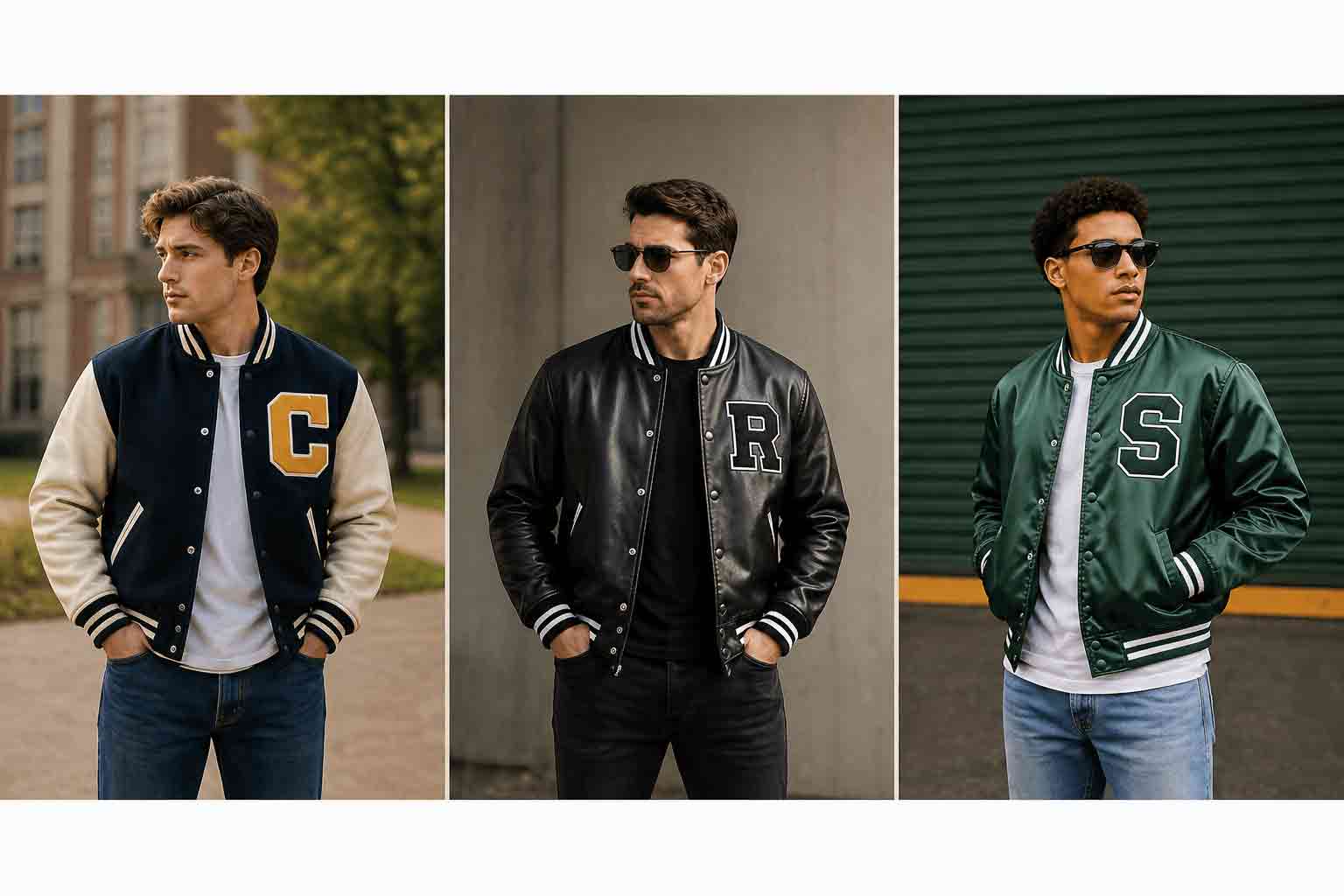
Letterman jackets have been a symbol of achievement, school pride, and timeless American style for over a century. Whether you earned yours on the football field, the basketball court, or the debate stage, one thing is certain: the material of your letterman jacket matters more than most people realize. When it comes to choosing between wool, leather, and satin, there is no one-size-fits-all answer. Each material brings something unique to the table, and understanding the differences can help you make a decision you will be proud of for decades.
So let’s break it all down in a way that actually makes sense.
What Is a Letterman Jacket Made Of?
A classic letterman jacket, also known as a varsity jacket, is typically made from a combination of materials. The body is usually crafted from one primary fabric, while the sleeves are made from another. The most traditional combination is a wool body with leather sleeves, but modern designs have evolved to include full satin jackets, all-leather versions, and even hybrid styles that mix textures in creative ways.
Understanding the role each material plays helps you evaluate which one suits your lifestyle, climate, and personal aesthetic best.
The Classic Choice: Wool Letterman Jackets
Why Wool Has Stood the Test of Time
When you think of a traditional varsity jacket, wool is probably the first material that comes to mind. Wool has been the backbone of letterman jacket construction since the late 1800s, and for good reason. It is warm, durable, and holds embroidery and chenille patches incredibly well. The thick, structured feel of a wool body gives the jacket that iconic silhouette that looks polished and intentional.
Wool is a natural fiber, which means it breathes better than many synthetic alternatives. It regulates body temperature surprisingly well, keeping you warm in cold weather without making you feel suffocated when temperatures shift. For students and athletes who wear their jackets throughout fall and winter, this is a massive advantage.
The Durability and Texture of Wool
One of wool’s biggest strengths is how it ages. A well-made wool letterman jacket can last for years, even decades, with proper care. The fabric resists wrinkles naturally and maintains its shape over time. It also holds color exceptionally well, which means your team’s colors will look just as vibrant five years from now as they did on day one.
However, wool does require some care. It should generally be dry cleaned rather than machine washed, and it is important to store it properly to avoid moth damage. Some people also find wool slightly itchy against bare skin, though the thick lining inside most letterman jackets prevents direct skin contact.
Who Should Choose Wool?
If you live in a cooler climate, want that classic vintage look, or plan to use your jacket for decades as a keepsake, wool is your best bet. It photographs beautifully, holds patches and embroidery with precision, and gives off that authentic varsity feel that other materials sometimes struggle to replicate.
The Bold Statement: Leather Letterman Jackets
What Makes Leather Stand Out
Leather brings a completely different energy to the letterman jacket. Where wool is warm and traditional, leather is edgy, bold, and undeniably cool. Full leather letterman jackets or jackets with leather sleeves carry a certain attitude that wool simply cannot match. They look sharp, feel premium, and have a visual weight that commands attention.
Genuine leather sleeves have been part of the traditional varsity jacket design for decades. The contrast between the soft wool body and the smooth leather sleeves is not just aesthetic. Leather sleeves varsity jacket is actually more practical in some situations because they are easier to clean and more resistant to rain and light moisture.
Durability and Longevity of Leather
When it comes to long-term durability, leather is arguably the toughest material on this list. A high-quality leather jacket, if properly maintained, can outlast wool and satin by a significant margin. Leather develops a natural patina over time, which actually makes it look more distinguished and characterful as the years pass. Many people who own leather letterman jackets say the jacket gets better with age.
The downside is that leather requires conditioning to prevent cracking and drying out. You will need to use a leather conditioner periodically and avoid exposing the jacket to prolonged moisture. Leather can also be heavier than wool or satin, which some people find uncomfortable during extended wear.
Ethical and Vegan Leather Alternatives
It is worth mentioning that vegan leather and faux leather options have improved dramatically in recent years. If animal products are a concern for you, high-quality synthetic leather alternatives can offer a very similar look and feel without the ethical concerns. These options are also generally more affordable, though they may not match the longevity of genuine leather.
Who Should Choose Leather?
If you want something that looks premium, ages beautifully, and makes a bold visual statement, leather is the way to go. It is especially popular in urban settings and among those who want their letterman jacket to double as an everyday fashion piece rather than just a school keepsake.
The Sleek and Shiny Option: Satin Letterman Jackets
What Is Satin and Why Is It Used?
Satin might not be the first material you associate with a varsity jacket, but it has a strong presence in the world of varsity fashion. Satin is a smooth, glossy fabric that gives jackets a sleek, almost athletic look. It is lightweight, visually striking, and often used in hip-hop fashion, streetwear, and team warm-up jackets.
Satin letterman jackets tend to be more affordable than wool or leather options, making them accessible for schools, clubs, and organizations that need to order jackets in bulk. They are also easier to care for, as many satin jackets can be machine washed without issue.
The Aesthetic Appeal of Satin
There is something undeniably eye-catching about a satin varsity jacket. The way it catches light makes colors pop, and the smooth surface allows for vivid printed designs and embroidery that stands out dramatically. If your school colors are bright and bold, a satin jacket will showcase them in a way that wool simply cannot.
Satin bomber jackets are also more versatile from a seasonal standpoint. Because they are lighter than wool, they work better in mild weather. If you are in a warmer climate or want a jacket you can wear in spring and fall without overheating, satin is a smart choice.
The Downsides of Satin
The main drawback of satin is that it lacks the warmth and structure of wool. It also does not carry the same prestige or traditional feel. For collectors or those who value authenticity, a satin jacket may feel like a compromise. Satin can also be more susceptible to snags, pulls, and surface damage compared to the sturdier alternatives.
Who Should Choose Satin?
Satin is ideal for those on a budget, those in warmer climates, or those who want a lighter jacket that still carries the varsity aesthetic. It is also a great choice for teams and organizations ordering in larger quantities where cost efficiency matters.
Wool vs. Leather vs. Satin: A Direct Comparison
Warmth and Comfort
In terms of warmth, wool wins hands down. It is a natural insulator and is designed for cold weather wear. Leather provides decent warmth but can feel stiff in extreme cold. Satin offers the least insulation and is better suited for mild conditions.
Durability and Longevity
Leather takes the top spot for raw durability, especially genuine cowhide. Wool is a close second when properly cared for. Satin, while durable enough for casual use, does not match the long-term resilience of the other two.
Style and Aesthetics
This one is subjective, but each material sends a different message. Wool says classic and traditional. Leather says bold and premium. Satin says modern and vibrant. Your personal style and how you plan to wear the jacket should guide this decision.
Price and Affordability
Satin is generally the most affordable, followed by wool, and then leather at the higher end of the price spectrum. However, price varies widely depending on brand, craftsmanship, and whether the leather is genuine or synthetic.
Care and Maintenance
Satin is the easiest to maintain, often being machine washable. Wool requires dry cleaning and proper storage. Leather needs periodic conditioning and should be kept away from moisture and direct sunlight.
The Best Material Combination for a Letterman Jacket
Why the Wool and Leather Combo Remains the Gold Standard
If there is one combination that has stood the test of time, it is the wool body with leather sleeves. This pairing offers the best of both worlds. You get the warmth, structure, and classic look of wool alongside the durability, edge, and easy-clean surface of leather sleeves. It is the combination most people picture when they think of a true letterman jacket, and it remains the most popular choice for good reason.
This combination also works exceptionally well for chenille patches and embroidery, which are the hallmarks of authentic varsity jacket design.
How to Choose the Right Material for Your Letterman Jacket
Consider Your Climate
If you live somewhere cold, wool or the classic wool-leather combo is your best bet. If you are in a warmer region, satin or a lighter wool blend might serve you better.
Think About How You Plan to Wear It
Are you buying this jacket as a keepsake you will pull out occasionally? Or are you planning to wear it every day? Daily wearers should prioritize comfort and durability, which points toward wool or leather. Occasional wearers may find that any of the three materials suits their needs just fine.
Budget Matters Too
Be honest with yourself about what you can afford. A genuine leather-sleeved wool jacket from a reputable maker is an investment, but it will last for years. If budget is tight, a quality satin or faux leather option can still look great and hold up well for casual use.
Conclusion
Choosing between wool, leather, and satin for your letterman jacket ultimately comes down to your personal priorities. Wool offers timeless warmth, structure, and authenticity. Leather brings durability, edge, and a premium look that only gets better with age. Satin delivers affordability, vibrant color, and lightweight comfort for milder climates.
The classic wool body with leather sleeves remains the gold standard for a reason. It balances tradition with practicality in a way that no single material can achieve alone. But no matter which direction you choose, what truly makes a letterman jacket special is what it represents: hard work, dedication, and a moment in your life worth celebrating. Choose the material that will help you wear that story with pride.
Frequently Asked Questions
Q1: What is the most traditional material for a letterman jacket?
Wool is the most traditional material, used in varsity jackets since the late 1800s. The classic combination of a wool body with leather sleeves remains the gold standard in authentic letterman jacket design.
Q2: Is wool or leather better for a letterman jacket?
It depends on your priorities. Wool is warmer and more traditional, while leather is more durable and makes a bolder style statement. Most people prefer the classic combination of both for the best of each material.
Q3: Are satin letterman jackets good quality?
Satin jackets are decent quality for casual and everyday use. They are lightweight, affordable, and great for warmer climates, but they do not match the warmth or long-term durability of wool or leather options.
Q4: How do I care for a wool letterman jacket?
Wool letterman jackets should generally be dry cleaned rather than machine washed. Store them in a cool, dry place and use a garment bag to protect against moths and dust during long-term storage.
Q5: Which letterman jacket material is best for patches and embroidery?
Wool is the best material for chenille patches and embroidery. Its thick, structured surface holds decorations firmly in place and showcases detailed designs better than leather or satin.